1. Fiber Architecture, Yarn Geometries, and Physical Characteristics
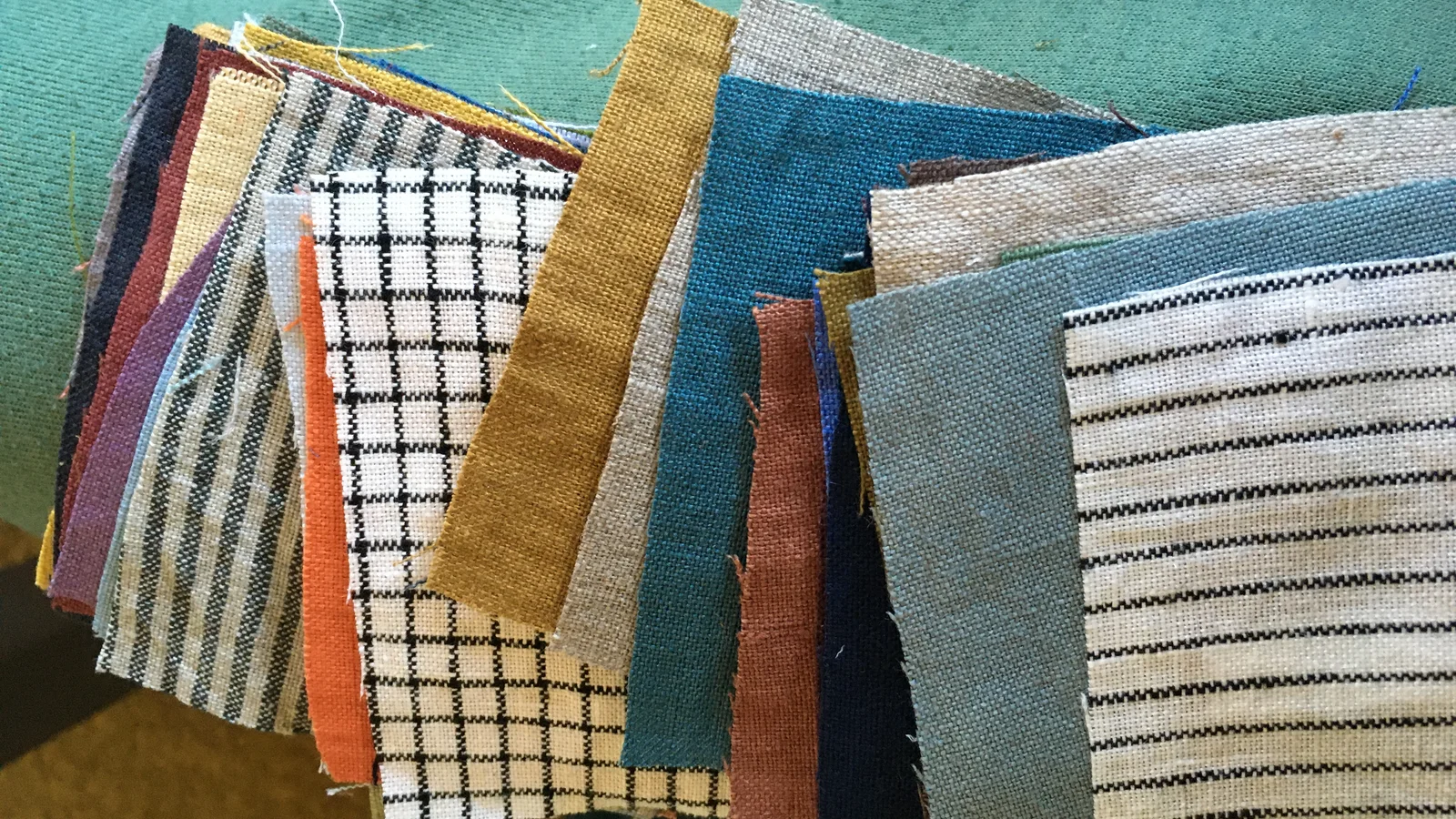
Evaluating textile substrates for commercial apparel manufacturing requires an examination of raw fiber morphology, yarn construction, and fabric geometry. Maserati Crepe, linen, and microfiber occupy distinct positions across the spectrum of natural, synthetic, and micro-denier textiles, each governed by different mechanical behaviors.
Maserati Crepe: High-Twist Synthetic Double-Layer Construction
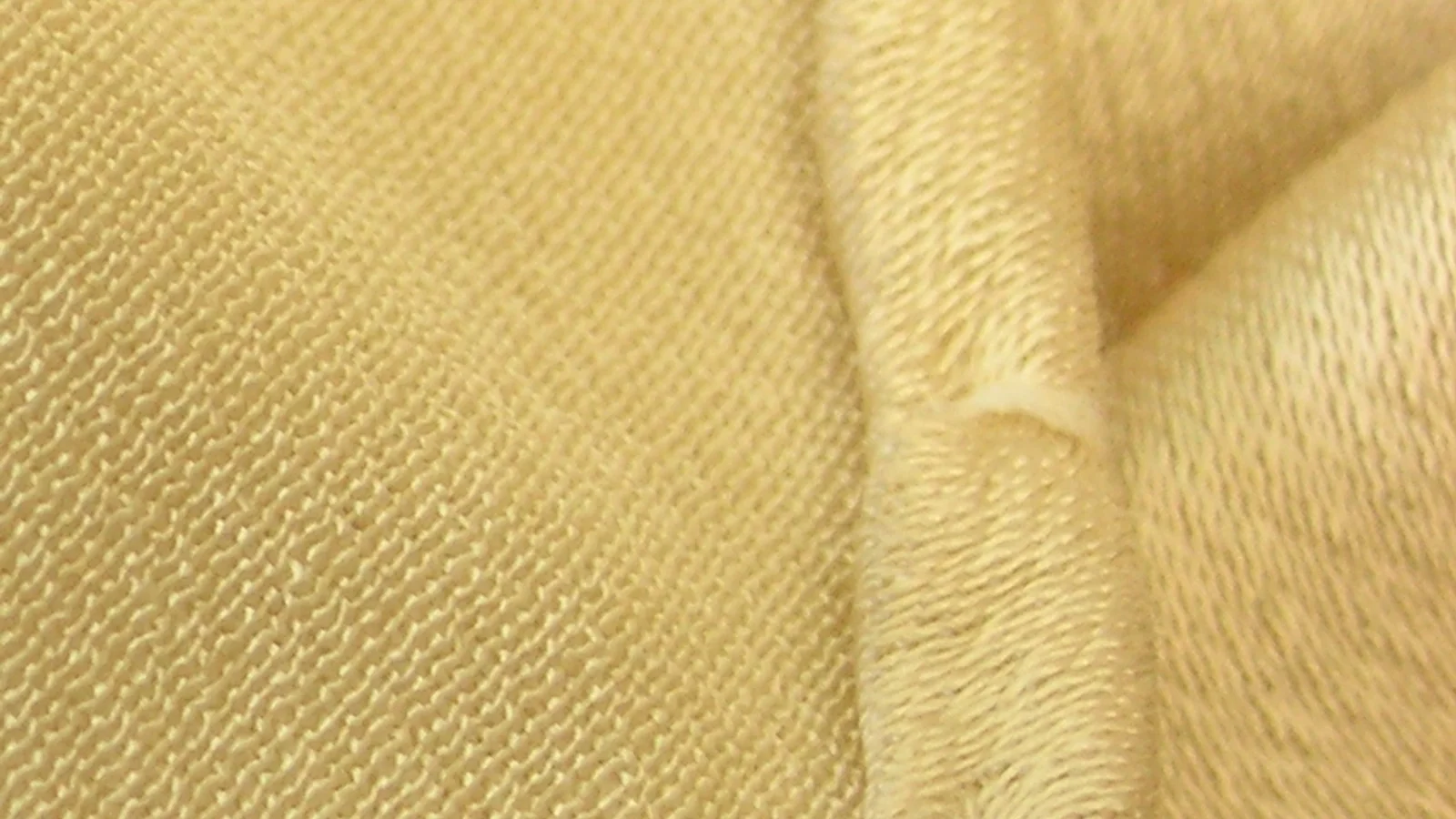
Maserati Crepe—predominantly manufactured within the synthetic weaving hubs of Zhejiang, China—is an engineered double-layer woven textile typically composed of high-filament polyester blended with elastane, standardly configured as 95% polyester and 5% spandex, or 100% polyester utilizing textured mechanical-stretch filaments. The structural core of Maserati Crepe involves high-twist (crepe-twist) yarns in the 75-denier (75D) to 100-denier (100D) range, woven into a multi-layer or double-cloth jacquard configuration. During scouring, wet finishing, and thermal heat-setting, the unresolved torsional stresses engineered into the high-twist yarns release, causing differential micro-shrinkage that forms a distinctive granular pebble or "bubble" surface relief. This double-layer matrix yields an areal density generally between 200 and 240 grams per square meter (GSM). The incorporation of elastane filaments across the warp and weft systems confers four-way stretch, generating low flexural rigidity, high resilience, and a heavy, vertical drape that skims bodily contours without breaking into sharp folds.
Linen: High-Crystallinity Bast Fiber Architecture
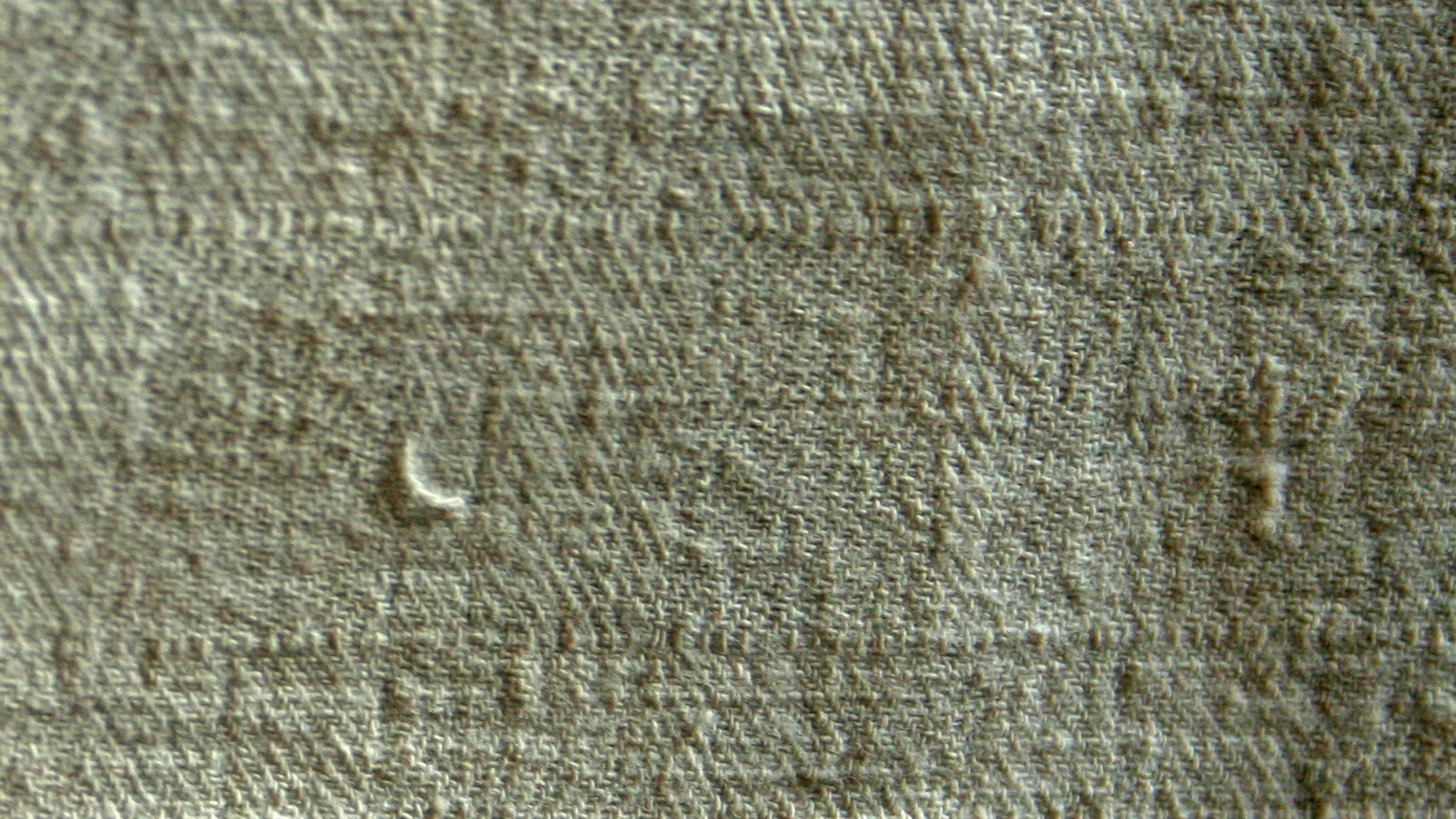
Linen is derived from the bast bundles embedded in the phloem of the flax plant (Linum usitatissimum). At the microscopic level, individual flax fibers possess a polygonal, multi-sided cross-section with thick secondary cell walls surrounding a central hollow canal known as the lumen. Chemically, the fiber consists of roughly 70% to 75% highly crystalline cellulose bonded by an amorphous matrix of hemicellulose and pectins. This crystalline molecular orientation gives flax an individual tensile tenacity exceeding that of upland cotton, with wet tenacity surpassing dry strength by roughly 20%. The conversion of raw flax into apparel-grade yarn—standardly measured through the Lea count system, defined as the number of 300-yard cuts per pound—employs wet or dry ring spinning, yielding yarns with natural slubs and variable yarn diameters. Apparel linen spans broad weight brackets, ranging from lightweight shirting between 80 and 150 GSM, to midweight dress and bottom-weight fabrics between 150 and 250 GSM, up to heavy tailoring and jacket weights between 250 and 350 GSM. Because the rigid crystalline cellulose chains lack internal chain mobility, woven linen exhibits high bending stiffness, minimal elastic recovery, and an architectural, crisp hand feel.
Microfiber: Sub-Denier Filament Geometry and Peach-Skin Finishing
Microfibers are synthetic filaments engineered to a linear density below 1.0 denier per filament (DPF), making them substantially finer than natural silk, which averages approximately 1.25 DPF. For technical and lifestyle apparel, woven microfibers are typically produced using polyester or polyester-polyamide bicomponent filaments (often 85% polyester and 15% nylon) extruded in bundles ranging from 75D to 150D with high filament densities, such as 144 individual filaments per yarn. Individual micro-filaments within these bundles measure between 0.15D and 0.30D, while specialized "sea-island" spinning technologies achieve ultra-fine filaments between 0.05D and 0.08D. The high packing density of these filaments yields a compact weave structure with areal weights ranging from 110 to 145 GSM for running shells to 180 to 240 GSM for structured outerwear. Woven apparel microfibers regularly undergo mechanical sueding or carbon-brush sanding during finishing. This mechanical abrasion ruptures surface filaments, producing a uniform, 0.2 mm micro-nap known as "peach skin". This micro-nap alters the surface reflectance and hand feel, transforming synthetic polyester into a soft, velvety, matte fabric that exhibits supple, controlled drape.
| Structural Parameter | Maserati Crepe | Linen (Plain Weave) | Microfiber (Peach Skin Woven) |
|---|---|---|---|
| Fiber Composition | Polyester (PET) + Spandex | 100% Flax (Bast cellulose) | Polyester or PET/Polyamide Blend |
| Yarn / Filament Linear Density | 75D–100D multifilament | 40–80 Lea (spun staple) | < 1.0 DPF (0.15D–0.30D per filament) |
| Standard Areal Density | 200–240 GSM | 120–260 GSM (apparel window) | 110–180 GSM (apparel shells) |
| Weave Geometry | Double-layer crepe / pebble jacquard | Plain, loose twill, or open weave | High-density plain, twill, or satin |
| Surface Morphology | Granular bubble/pebble texture | Natural slubbed irregularities | 0.2 mm mechanically sanded micro-nap |
| Flexural Rigidity | Very Low (supple, flowing) | High (stiff, architectural) | Low to Moderate (soft, pliable) |
| Tensile Elongation | High (4-way stretch, 5%–10% elongation) | Low (< 2%–3% elongation) | Low to Moderate (unless elastane is blended) |
2. Thermal Dynamics, Breathability, and Moisture Performance
The physiological comfort of a textile depends on its equilibrium moisture regain, capillary transport mechanisms, air permeability, and thermal conductivity.
Air Permeability and Convective Heat Dissipation
Air permeability measures the rate of airflow through a fabric under a set differential pressure. Linen exhibits exceptionally high air permeability due to its coarse, irregular flax yarns, which prevent uniform packing and leave open interstitial pores throughout the woven structure. This open geometry permits ambient air to circulate across the skin, accelerating convective cooling.
Microfiber behaves conversely: its sub-denier filaments pack closely together, closing macroscopic spaces and creating a barrier against bulk airflow. While this density makes woven microfiber an effective windbreaker, standard constructions restrict convective airflow unless engineered into open athletic warp-knits.
Maserati Crepe falls between these two materials. Its granular bubble surface raises the textile slightly away from the epidermis, creating localized air pockets that prevent wide-area fabric cling. However, the dense, double-layer continuous polyester weave limits overall air permeability, which can cause heat buildup in high-temperature environments.
Moisture Regain and Dynamic Capillary Transport
Moisture management differs significantly between cellulosic and synthetic fibers. Linen relies on natural absorption, with flax fibers exhibiting an equilibrium moisture regain of approximately 12% under standard atmospheric conditions, and the capacity to absorb up to 20% of their dry weight in water vapor or liquid sweat before the textile feels damp. The hollow lumen draws liquid perspiration inward via natural capillary suction, where it dissipates through the open weave, keeping the wearer dry. In addition, flax possesses high thermal conductivity, rapidly conducting heat away from the skin upon initial contact to impart an immediate cooling effect.
Polyester microfiber and Maserati Crepe are synthesized from polyethylene terephthalate (PET), a hydrophobic polymer with a moisture regain of less than 0.5%. Consequently, moisture cannot penetrate the fiber core. However, microfiber overcomes this limitation through surface geometry. Splitting bicomponent filaments creates a high surface area and narrow capillary channels between adjacent micro-filaments. This structure pulls liquid sweat along the filament surfaces, distributing moisture across a wide surface area where it evaporates rapidly. Furthermore, the 0.2 mm sanded micro-nap acts as an insulating boundary layer, trapping a thin buffer of still air that reduces chill during active recovery. Maserati Crepe lacks this micro-capillary channel network; while perspiration moves across the textured surface, moisture remains primarily on the skin or between the double layers, limiting its performance in high-exertion apparel.
Viscoelasticity and Crease Recovery Mechanics
Wrinkle resistance and crease recovery reflect the molecular chain mobility of each fiber. In flax, the crystalline cellulose chains are held in place by rigid hydrogen bonds. Under mechanical bending or compressive loading, these bonds break and reform in displaced arrangements. Because flax lacks internal elasticity, the displaced chains cannot return to their original positions, leaving sharp creases across wear points such as the elbows, lap, and thighs.
Maserati Crepe displays high crease recovery, as the flexible synthetic polymer chains of PET, reinforced by elastane and high yarn twist, absorb shear stress elastically and spring back into shape. Microfiber also resists wrinkling; the low bending stiffness of sub-denier filaments allows the yarns to flex under pressure and return to a smooth plane without permanent deformation.
3. Factory Floor Sewability, Cutting Mechanics, and Production Engineering
Integrating these fabrics into high-volume manufacturing lines requires adjusting spreading protocols, automated cutting settings, needle geometries, and seam architectures to the mechanical limitations of each textile.
Spreading, Cutting Dynamics, and Ply Stability
Automated spreading and multi-ply cutting operations encounter distinct material behaviors across these three substrates:
- Maserati Crepe: The four-way stretch and double-layer construction create challenges with ply slippage and edge curling during spreading. Fabric rolls must be unrolled and allowed to relax tension-free on spreading tables for 12 to 24 hours prior to cutting to prevent pattern shrinkage after sectioning. In automated vacuum-cutting systems, vacuum levels must be calibrated carefully; excessive vacuum pulls the crepe bubble flat, distorting the cut components once the vacuum pressure is released.
- Linen: Provides dimensional stability during spreading due to its near-zero mechanical stretch, allowing clean, high-ply layups. However, the low cohesion of spun flax yarns causes cut edges to unravel quickly once separated. Cutting knives must be kept sharp, as worn blades snag flax slubs and pull yarns out of the woven edge, compromising dimensional accuracy.
- Microfiber: Requires strict "with-nap" cutting layouts because the 0.2 mm sanded peach-skin surface is directional, and inverted pattern pieces will show visible shading variations under retail lighting. High filament counts cause cutting blades to dull faster than when cutting standard synthetics. Static control is also necessary during spreading to prevent plies from shifting under the advancing blade, and cutting panels slightly off-grain (approximately 10 degrees) helps reduce seam puckering along straight structural lines.
Machine Needle Selection, Thread Dynamics, and Feed Calibration
Industrial sewing machines must be configured to balance needle point geometry, thread linear density, and mechanical feed systems against each fabric's structural failure points:
- Microfiber: Presents challenges with needle deflection and structural jamming puckering. The high packing density of micro-filaments leaves minimal clearance between yarns, causing blunt or universal needles to deflect, overheat, skip stitches, or cut filaments, which triggers structural puckering as the thread forces the yarns apart. Garment factories processing woven microfiber require slim, acute needle points—specifically Schmetz Microtex needles in sizes Nm 60/8 to Nm 70/10. Sewing threads should be fine continuous filament or corespun polyester (Ticket No. 120 to 180). Upper thread and bobbin tensions must be minimized to avoid seam puckering, and stitch density should be capped at 10 to 12 stitches per inch (SPI).
- Linen: Requires needles that can pierce coarse, tightly spun flax bundles without fracturing structural yarns. Universal or sharp needles in sizes Nm 70/10 for lightweight shirting up to Nm 80/12 or 90/14 for midweight and heavyweight suitings are standard. Because flax yarns unravel easily, seam allowances must be serged, bound, or closed with French or flat-felled constructions. Thread selection involves a performance trade-off: mercerized cotton sewing threads yield the lowest seam slippage values, whereas polyester corespun threads (Ticket No. 80 to 120) maximize total seam tensile strength.
- Maserati Crepe: Requires sewing configurations that protect its internal elastane filaments. Acute needles can cut tensioned elastane cores, causing small punctures that can run under mechanical stress. Sewing operations require light ball-point needles (SES point, sizes Nm 75/11 to 80/12) that slide around the elastane cores. Differential drop-feed or walking-foot feeds are necessary to prevent the upper fabric ply from pushing ahead of the presser foot, which causes wavy seams.
Seam Slippage Engineering and Tensile Performance
Seam slippage—the lateral displacement of warp or weft yarns away from the stitch line under transverse load, evaluated via ISO 13936-1/2 or ASTM D1683—is a primary structural failure mechanism in apparel manufacturing:
- Linen: Highly susceptible to seam slippage, particularly in low-density weaves below 160 GSM with low Ends Per Inch (EPI) and Picks Per Inch (PPI). Because dry flax yarns have a low inter-yarn friction coefficient and high flexural rigidity, transverse mechanical loads pull the warp yarns over the filling yarns. To meet standard commercial specifications (such as a maximum 6 mm seam opening at 120 N under ISO 13936-2, or 15 to 25 lbf under ASTM D1683), linen garments require wider seam allowances (minimum 15 mm / 5/8 inch) and high stitch densities (12 to 14 SPI). Felled or bound seams are necessary, as narrow three-thread overlocks often fail under localized stress.
- Microfiber: Provides high resistance to inter-yarn slippage due to its dense filament interlacing and high surface contact area. However, failure modes can involve seam splitting if oversized needles puncture closely packed micro-filaments, weakening the fabric along the stitch line.
- Maserati Crepe: The double-layer construction mechanically locks yarn intersections, reducing standard seam slippage. However, high localized seam elongation under transverse tension can pull stitches open if low-elongation lockstitches (ISO 301) are applied at high stitch densities without proper thread reserves. Incorporating chainstitch (ISO 401) or four-thread mock safety overlock seams (ISO 514) ensures the seam stretches alongside the fabric.
| Factory Calibration Parameter | Maserati Crepe | Linen (Plain Weave 160–200 GSM) | Microfiber (Peach Skin 130 GSM) |
|---|---|---|---|
| Needle System & Point Geometry | 134R / DBx1 (SES Light Ball Point) | 134R / DBx1 (Universal or Regular Sharp) | 134R / DBx1 (Microtex Acute Sharp) |
| Needle Sizing Range | Nm 75/11 to Nm 80/12 | Nm 70/10 (light) to Nm 80/12 (mid) | Nm 60/8 to Nm 70/10 |
| Sewing Thread Selection | Corespun Poly / Textured Looper | Mercerized Cotton or Corespun Poly | Continuous Filament Poly or Fine Corespun |
| Thread Size (Ticket / Tex) | Ticket 120 (Tex 24–27) | Ticket 100–120 (Tex 30–40) | Ticket 150–180 (Tex 16–20) |
| Stitch Density (SPI) | 10–12 SPI | 12–14 SPI (critical for slip resistance) | 10–12 SPI (reduced to control puckering) |
| Seam Structural Type | 4-thread overlock (514); Safety stitch | Flat-felled (LSc); French; Bound (BSb) | Superimposed (SSa) with edge stay-tape |
| Minimum Seam Allowance | 10 mm (3/8 inch) | 15 mm (5/8 inch) | 10 mm to 12 mm (3/8 to 1/2 inch) |
| Primary Seam Defect Risk | Cut elastane laddering; feed rippling | Edge unraveling; yarn slippage | Structural jamming; tension puckering |
| Wash Shrinkage Allowance | Stable (0.5%–1.5% dimensional change) | High (4.0%–8.0% if unwashed) | Negligible (≤ 1.0%–3.0%) |
4. Garment Applications and End-Use Categorization
Design success depends on aligning each fabric's physical performance profile with the intended garment silhouette, drape requirements, and functional wear conditions.
Modest Fashion and Contemporary Womenswear
Maserati Crepe is a primary substrate across global modest fashion and Middle Eastern abaya production. The double-layer bubble crepe structure provides several functional advantages: complete opacity even in light colorways, removing the need for interior linings; an areal weight of 220 to 240 GSM combined with low flexural rigidity, producing an elegant, flowing drape that conceals the wearer's figure without clinging; and high crease recovery that keeps garments looking sharp during travel and daily wear. In contemporary womenswear, its four-way stretch suits soft-tailored coordinates, unlined blazers, and fluid wide-leg trousers that require low maintenance and a relaxed fit.
Resort Collections and Relaxed Summer Tailoring
Linen’s natural slubs, dry hand feel, and intentional wrinkling are widely associated with relaxed luxury and warm-weather resort wear. Lightweight linens between 120 and 150 GSM are used primarily for loose vacation shirting, camp shirts, and warm-weather tunics where maximum ventilation is needed. Midweight plain weaves between 170 and 220 GSM serve as the foundation for tailored shorts, wide-leg trousers, unstructured sport coats, and casual summer dresses. Designers cut linen garments with looser silhouettes to promote airflow and limit localized seam tension, reducing the risk of seam slippage at high-stress points like armholes and crotches.
Activewear, Performance Shells, and Athleisure
Microfiber’s fine filament density, water-shedding capabilities, and soft sanded finish make it well-suited for athletic and technical apparel. Lightweight woven microfibers between 110 and 145 GSM are widely used in running shorts, training jackets, track pants, and boardshorts. The tight weave naturally resists wind and light precipitation, while the 0.2 mm micro-nap provides a soft feel against bare skin during dynamic movement. In addition, its 100% polyester composition serves as a reliable base for dye-sublimation printing, producing sharp graphics that hold up through commercial washing. In casual outerwear, microfibers are used for packable rain shells, lifestyle windbreakers, and functional unlined parkas.
| Garment Category | Maserati Crepe Evaluation | Linen Evaluation | Microfiber Evaluation |
|---|---|---|---|
| Abayas, Kaftans, and Modest Robes | Optimal: High opacity, fluid vertical drape, wrinkle resistance | Poor: High creasing, lacks flowing drape, sheer in lower weights | Moderate: Peach skin works well, but lacks the vertical drape of crepe |
| Resort Shirting and Summer Tops | Poor: Low air permeability, trapping heat in warm climates | Optimal: Maximum ventilation, rapid drying, cooling comfort | Moderate: Used in casual resort shirts; feels synthetic in high humidity |
| Boardshorts and Water Sports Shells | Unsuitable: Absorbs water between layers, slow to dry, elastane degrades | Unsuitable: Heavy when wet, slow drying, poor wet abrasion | Optimal: Dries quickly, soft micro-nap, high tensile strength |
| Structured Blazers and Tailored Suits | Moderate (Soft Tailoring): Smooth drape, comfortable stretch | Optimal (Unstructured): Classic summer aesthetic, crisp body | Moderate: Suitable for casual unlined jackets; lacks crisp tailoring |
| Athletic Gear and Training Wear | Unsuitable: Heavy weight (240 GSM), low capillary wicking, snags | Unsuitable: Zero stretch, poor abrasion resistance, rough texture | Optimal: High capillary wicking, windproof, durable micro-weave |
5. Global Supply Chain Dynamics, Sourcing Hubs, and Procurement Economics
Sourcing strategies must reconcile textile lead times, minimum order quantities (MOQs), and regional industrial clusters with overall production budgets.
Regional Industrial Clustering and Geographic Concentration
The manufacturing bases for these three textiles reflect their raw material sources:
- Maserati Crepe: Production is concentrated in Zhejiang Province, China, primarily within the textile clusters of Shaoxing (Keqiao) and Guangzhou. This ecosystem integrates texturizing, crepe-twisting, water-jet double-layer weaving, and high-temperature overflow dyeing mills, enabling fast turnaround times for bulk orders.
- Linen: Relies on an extended, multi-region supply chain. Western Europe’s "Flax Belt" across Normandy in Northern France, Belgium, and the Netherlands produces more than 80% of the world's high-grade flax fiber, supported by oceanic climates, steady rainfall, and traditional dew-retting infrastructure. However, the wet spinning and weaving processes are mostly located abroad: over 60% of European flax fiber is shipped to China (concentrated in Heilongjiang, Jiangsu, and Zhejiang mills) or India for spinning into yarn and weaving into fabric, before being re-exported to global garment factories.
- Microfiber: Concentrated in synthetic textile clusters across Eastern China (specifically Shengze in Wujiang, Jiangsu), Taiwan, and South Korea. These mills specialize in multi-filament extrusion, high-density water-jet weaving, and the precision sanding and scouring lines required to split composite filaments and create uniform peach-skin finishes.
Sourcing Economics: Minimum Order Quantities, Pricing Tiers, and Lead Times
Because synthetic filament production is continuous and automated, Maserati Crepe and microfiber can be sourced with shorter lead times and lower custom dye minimums than linen:
- Linen Procurement: Involves longer production timelines. Sourcing running stock from fabric distributors allows for low MOQs (50 to 200 meters) but incurs high material costs ($10.00 to $16.00 per meter). Direct custom mill production for yarn-dyed or specialty washed linen requires MOQs of 500 to 1,500 meters per color, with fabric production lead times running 7 to 14 weeks prior to cut-and-sew operations. Because flax is an agricultural crop, global harvests, weather conditions, and seasonal shortages can cause raw fiber prices and availability to fluctuate significantly.
- Maserati Crepe and Microfiber: Utilize continuous synthetic polymers that offer pricing stability. Mills maintain greige goods in inventory, allowing custom dye lots via rapid jet-dyeing with MOQs of 1,000 to 3,000 meters per color at price points between $1.10 and $2.80 per linear meter. For spot inventory, stock-color orders often start at 100 meters, with lead times of 2 to 4 weeks.
| Commercial Procurement Variable | Maserati Crepe | Linen (European Origin Flax) | Microfiber (Peach Skin Woven) |
|---|---|---|---|
| Primary Manufacturing Hubs | Keqiao/Shaoxing, Guangzhou (China) | France/Belgium (crops); China/India (milling) | Shengze/Wujiang, Shaoxing (China), Taiwan |
| Raw Material Price Volatility | Low (indexed to PET petrochemical base) | High (dependent on annual European flax yields) | Low (continuous synthetic supply) |
| Bulk Mill Price (Tier 1 Orders) | $1.10 – $2.20 / meter | $6.00 – $12.00+ / meter | $1.30 – $2.80 / meter |
| Stock Wholesaler Cost (Low MOQ) | $2.50 – $3.50 / meter | $10.00 – $16.00 / meter | $2.50 – $4.00 / meter |
| Custom Dye Lot Minimum (MOQ) | 1,000 – 3,000 meters / color | 500 – 1,500 meters / color | 1,000 – 2,000 meters / color |
| In-Stock Availability Minimum | 100 – 300 meters | 50 – 100 meters | 100 – 300 meters |
| Fabric Production Lead Time | 2–4 weeks (rapid jet dyeing) | 7–14 weeks (wet spinning + weaving) | 3–5 weeks (dyeing + surface sanding) |
| Total Garment Delivery Time | 30–45 days | 60–100 days | 35–50 days |
6. Environmental Profiles, Chemical Finishing, and Regulatory Compliance
Apparel brands face increasing regulatory scrutiny and brand-level accountability regarding chemical safety, supply chain transparency, and material sustainability.
Feedstock Origins, Carbon Accounting, and End-of-Life Biodegradability
Linen provides the lowest upstream environmental footprint among the three materials. European flax cultivation is 99.9% rain-fed, avoiding the artificial irrigation required by commercial cotton. Traditional field-dew retting relies on ambient moisture and natural soil enzymes to break down pectins, avoiding the chemical effluent associated with industrial tank retting. At the end of a garment's life, pure linen fabric is fully biodegradable, decomposing in soil environments within months without leaving persistent synthetic residues.
Maserati Crepe and polyester microfiber derive from non-renewable petrochemical feedstocks, requiring energy-intensive crude oil refining, polymer synthesis, and high-temperature extrusion. Maserati Crepe’s composite construction—weaving polyester filaments with elastane—creates recycling hurdles: standard mechanical and chemical recycling systems cannot easily separate elastane from PET without degrading the base polymer chains. Both synthetic textiles are non-biodegradable, remaining in landfills for centuries if discarded.
Microplastic Emission Pathways and Laundering Dynamics
Microplastic emissions from textiles during home laundering have become a major regulatory and environmental concern:
- Microfiber Fabrics: Sanded peach-skin finishes are significant contributors to synthetic microplastic pollution. The mechanical sanding used to create the 0.2 mm nap fractures surface filaments into billions of exposed micro-fiber ends. Domestic washing machines subject these broken filaments to hydrodynamic shear, shedding hundreds of thousands of microplastic particles per garment into wastewater streams. While post-process chemical baths or enzyme washes can help bind loose surface fibrils, mechanical friction from regular laundering causes ongoing shedding across the garment's lifespan.
- Maserati Crepe: Displays lower microplastic shedding during washing than peach-skin fabrics. Its continuous multi-filament yarns are bound by high crepe-twists and held within a double-layer matrix, protecting individual filaments from mechanical breakage.
- Linen: Sheds natural cellulosic fibers during laundering, particularly in early wash cycles, but these fibrils decompose naturally and do not present a marine microplastic pollution hazard.
Chemical Finishing and the PFAS Regulatory Landscape
Microfiber fabrics used in athletic shells and windbreakers often receive Durable Water Repellent (DWR) chemical finishes, bringing them under tightening restrictions on per- and polyfluoroalkyl substances (PFAS):
- European Union & National Bans: Under the Packaging and Packaging Waste Regulation (PPWR) and EU chemical phase-downs, persistent substances face severe restrictions. France has enacted targeted legislation (France Law No. 2025-188 with Decree no 2025-1376), banning the manufacture, import, and sale of PFAS-containing apparel, textiles, and waterproofing agents, with a twelve-month transition period. Denmark has enacted similar bans on PFAS-treated consumer apparel and footwear.
- United States State Legislation: Several states—including New York under its Environmental Conservation Law (§37-0121)—have prohibited intentionally added PFAS in consumer clothing.
- Compliance Imperatives: Procurement teams sourcing performance microfiber cannot use legacy C8 or C6 fluorinated repellent finishes. Mills must be audited for certified fluorine-free DWR technologies (C0, wax-based, or reactive dendrimer systems). While compliant, these alternatives require precise application to maintain water repellency without stiffening the soft hand feel of peach-skin fabrics.
Certification Systems and Digital Traceability
To substantiate marketing claims and satisfy regional import regulations, manufacturers rely on third-party certifications:
- Masters of FLAX FIBRE™ (formerly European Flax®): Administered by the Alliance for European Flax-Linen and Hemp, certifies that flax fiber was grown in Western Europe without irrigation, GMOs, or chemical retting. Audited by Bureau Veritas, products must contain a minimum of 50% certified European flax. Starting in March 2027, the standard mandates full digital supply-chain tracking via the TextileGenesis platform to verify the material path from farm to finished garment.
- Global Organic Textile Standard (GOTS): Certifies organically farmed linen, verifying environmentally responsible wet processing and strict chemical input limits from field to finished fabric.
- Global Recycled Standard (GRS): Verifies recycled synthetic inputs, confirming that polyester yarns for Maserati Crepe or microfiber derive from post-consumer recycled PET (such as rPET bottle flakes) with chain-of-custody documentation.
- OEKO-TEX® Standard 100: Applies across all three materials to verify the finished textile is free from harmful levels of regulated and non-regulated substances, including heavy metals, aromatic amines, and residual formaldehydes.
7. Sourcing Decision Framework and Production Recommendations
Selecting the right substrate requires balancing raw material pricing, production complexity, garment silhouettes, and brand sustainability commitments.
| Performance Category | Maserati Crepe | Linen (100% Flax) | Microfiber (Peach Skin Woven) |
|---|---|---|---|
| Polymer / Fiber Base | Polyester + Elastane | 100% Bast Flax | 100% Polyester or PET/Polyamide |
| Wholesale Fabric Cost (Bulk) | Low ($1.10 – $2.20 / meter) | High ($6.00 – $12.00+ / meter) | Low to Mid ($1.30 – $2.80 / meter) |
| Production Speed & Availability | Fast (2–4 weeks; high inventory) | Slow (7–14+ weeks) | Fast (3–5 weeks) |
| Drape Behavior | Heavy, fluid, vertical | Crisp, stiff, architectural | Soft, pliable, controlled |
| Air Permeability / Breathability | Low to Moderate | Exceptional | Low (windbreak structure) |
| Wrinkle Recovery | High (wrinkle-resistant) | Low (sharp creasing) | High (wrinkle-resistant) |
| Factory Processing Difficulty | Moderate (elastane cut prevention) | High (raveling & yarn slip) | High (needle deflection & pucker) |
| Standard Needle Selection | Light Ball (SES) Nm 75–80 | Universal/Sharp Nm 70–80 | Microtex Sharp Nm 60–70 |
| Seam Slippage Risk (ISO 13936) | Low | High (requires wide margins) | Low to Moderate |
| Environmental Profile | Fossil fuel base; non-biodegradable | Low impact; fully biodegradable | Fossil fuel base; high shedding |
| Primary Compliance Standard | GRS, OEKO-TEX 100 | Masters of FLAX FIBRE, GOTS | GRS, OEKO-TEX, Bluesign |
Strategic Production and Procurement Guidelines
Procurement and manufacturing teams should align their fabric selections with the technical, operational, and commercial requirements of each product category:
- Maserati Crepe: Should be prioritized for volume womenswear collections, modest fashion lines, flowing eveningwear, and wrinkle-resistant corporate travel coordinates where opacity, vertical drape, and easy-care properties are critical. The textile provides competitive wholesale pricing between $1.10 and $2.20 per meter and short delivery cycles. Factory floors must use SES light ball-point needles to prevent cutting interior elastane yarns, use differential feed setups to prevent seam rippling, and incorporate four-thread overlock or chainstitch seams to maintain elasticity across structural joins.
- Linen: The clear choice for premium resort wear, relaxed tailoring, casual summer shirting, and sustainable lifestyle capsules that can support higher wholesale fabric costs between $6.00 and $12.00+ per meter. Sourcing managers should anticipate longer production lead times of 7 to 14 weeks and build in inventory buffers for agricultural yield variations. To ensure sustainability claims, brands should verify Masters of FLAX FIBRE™ certification and prepare for digital tracking via TextileGenesis. Factory pattern engineers must include wider seam allowances of at least 15 mm and mandate flat-felled, bound, or French seam constructions to prevent yarn slippage and edge fraying.
- Microfiber: Should be directed toward activewear, unlined windbreakers, performance boardshorts, and garments requiring dye-sublimation printing. Sourcing managers must require certified fluorine-free (C0) water-repellent chemistry to comply with French, Danish, EU, and US state-level PFAS regulations. Factory sewing lines must be equipped with acute Schmetz Microtex needles (sizes Nm 60/8 to 70/10), low sewing thread tension, and fine filament threads to eliminate structural jamming and puckered seams. Finally, cutting markers must be configured strictly "with-nap" to prevent panel shading discrepancies across the finished garments.
Ready to Source from Iran?
Contact our export specialists to discuss your specific textile requirements and get a custom quote.
Get a Free Quote